

Handicraft
How to Decorate Your Living Room with Spiritual Home Décor from India

Dec
How to Decorate Your Living Room with Spiritual Home Décor from India
The living room is far more than a place where guests are welcomed or evenings are spent watching television. In Indian homes, it has traditionally served as a space where conversations unfold, prayers resonate softly in the background, and energies intermingle. When we approach living room décor from a spiritual perspective rooted in Indian traditions, we are not merely decorating a space—we are consciously shaping an environment that nurtures calm, balance, and inner harmony. Spiritual home décor from India transforms the living room into a sanctuary that reflects values, beliefs, and a deep connection with heritage.
Indian spirituality is subtle yet powerful. It does not demand grandeur; instead, it thrives on intention, symbolism, and balance. A thoughtfully designed spiritual living room can calm the mind after a long day, uplift moods, and create a welcoming aura for anyone who enters. By integrating Indian home decor ideas grounded in spiritual wisdom, we create a space that feels alive, purposeful, and deeply comforting. The beauty lies in how effortlessly these elements blend aesthetics with meaning, creating a living room that feels timeless rather than trendy.
Understanding the Essence of Spiritual Home Décor
Spiritual home décor is not about filling a room with religious objects. It is about aligning the space with positive energy, mindfulness, and serenity. In Indian tradition, every object, color, and direction carries significance. When these elements are thoughtfully chosen, the living room becomes a place that subtly supports mental clarity and emotional well-being.
At its core, Indian spiritual décor draws from ancient philosophies such as Vastu Shastra and Ayurveda. These systems emphasize balance—between the five elements, between light and shadow, and between activity and rest. A spiritually aligned living room feels open yet grounded, calm yet warm. It does not overwhelm the senses but gently guides them toward stillness. By understanding this essence, we move away from superficial decoration and toward meaningful design that resonates on a deeper level.
Why Indian Spiritual Décor Transforms Living Rooms
Indian spiritual décor carries centuries of wisdom. It has evolved not to impress but to sustain harmony. When we introduce these elements into a living room, the transformation is often immediate and profound. The space feels calmer, conversations become softer, and there is an unspoken sense of comfort that guests notice instantly.
This transformation happens because spiritual home décor from India works on both visible and invisible levels. Visually, handcrafted items, natural materials, and sacred symbols create warmth and authenticity. Energetically, these elements are believed to cleanse and stabilize the environment. Unlike mass-produced décor, Indian spiritual pieces often carry stories, craftsmanship, and intention. They remind us to slow down, breathe, and stay connected to something larger than ourselves.
Choosing the Right Color Palette for Spiritual Living Rooms
Color plays a vital role in shaping the mood of a living room. In Indian spiritual décor, colors are chosen not just for beauty but for their energetic influence. Earthy tones such as beige, terracotta, sandalwood brown, and soft clay create a grounded and calming base. These shades evoke nature and stability, making the living room feel rooted and serene.
Sacred colors also hold deep meaning. White symbolizes purity and peace, making it ideal for walls or large furniture pieces. Saffron and ochre represent spirituality and renunciation, often used in accents like cushions or wall art. Green signifies growth and balance, while blue evokes calm and divine connection, inspired by deities like Krishna. When these colors are balanced thoughtfully, the living room becomes visually soothing and spiritually uplifting without feeling overwhelming.
Sacred Symbols That Elevate Living Room Energy
Symbols are powerful carriers of meaning in Indian culture. When placed thoughtfully in the living room, they subtly influence the energy of the space. The Om symbol represents the universal sound and brings a sense of unity and calm. The lotus symbolizes purity and spiritual awakening, making it a beautiful motif for wall art or sculptures.
Mandalas, with their intricate geometric patterns, are especially effective in meditation-friendly living rooms. They draw the eye inward and encourage focus and tranquility. The Swastik, when used in its traditional Indian context, symbolizes prosperity and well-being. Placement matters—these symbols should be positioned where they are visible yet respected, never overcrowded or treated as mere decoration.
Incorporating Idols and Statues with Grace
Idols and statues are central to spiritual home décor from India, but they require thoughtful placement. A single, well-chosen idol often has more impact than multiple scattered figures. Ganesha, known as the remover of obstacles, is a popular choice for living rooms. Buddha statues bring serenity and mindfulness, while Krishna and Devi forms add devotion and grace.
Material and size matter. Brass, stone, and wood are preferred for their natural energy. The idol should neither dominate the room nor feel insignificant. Placing it at eye level, with adequate space around it, ensures respect and balance. Soft lighting nearby enhances its presence and creates a focal point that feels sacred rather than ornamental.
Spiritual Wall Décor Ideas Inspired by India
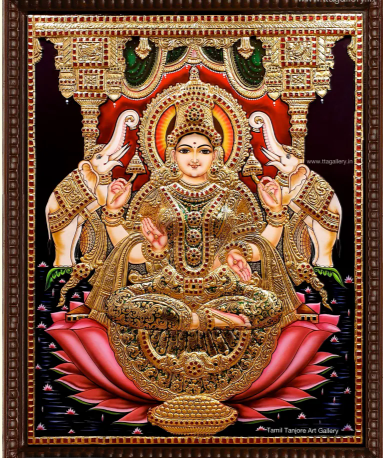
Walls offer a canvas to express spirituality without occupying floor space. Traditional Indian art forms such as Madhubani, Tanjore, and Pattachitra are rich in symbolism and storytelling. These artworks not only beautify the living room but also connect it to cultural heritage.
Wall hangings featuring Sanskrit mantras, shlokas, or verses from the Bhagavad Gita add depth and intention. When framed tastefully, they become daily reminders of wisdom and balance. The key is moderation—select one or two meaningful pieces rather than covering every wall. This approach maintains visual calm and allows each element to breathe.
Lighting as a Spiritual Design Element
Lighting has a profound effect on the energy of a living room. In Indian spiritual décor, light symbolizes knowledge, purity, and divine presence. Brass diyas and traditional oil lamps introduce a warm, flickering glow that instantly softens the space. Even when not lit, they carry symbolic value.
Ambient lighting should be gentle and layered. Avoid harsh white lights; instead, opt for warm yellow tones that mimic natural light. Allow sunlight to flow freely during the day by using sheer curtains. The interplay of natural and artificial light creates a living room that feels alive, welcoming, and spiritually aligned.
Furniture Choices that Support Spiritual Harmony
Furniture in a spiritual living room should encourage openness and flow. Indian décor traditionally favors natural materials like wood, cane, and cotton upholstery. These materials feel warm and grounding, unlike synthetic alternatives that can feel cold or heavy.
Minimalism is essential. Avoid overcrowding the room with bulky furniture. Seating should be arranged to promote conversation and connection, not isolation. Low seating, inspired by traditional Indian homes, creates a sense of humility and closeness. When furniture supports comfort and movement, the living room naturally becomes a space of ease and balance.
Textiles and Fabrics with Sacred Roots
Textiles add softness and personality to a living room. In Indian spiritual décor, fabrics are chosen for both comfort and cultural significance. Handloom cottons, silks, and khadi bring authenticity and warmth. Cushions with lotus motifs, mandala patterns, or subtle embroidery add spiritual character without overwhelming the space.
Rugs and throws in earthy colors anchor the room and create visual harmony. Natural dyes and handcrafted textures further enhance the organic feel. These textiles quietly reinforce the spiritual tone while keeping the living room cozy and inviting.
Aromas and Sensory Spiritual Elements
Spiritual décor is incomplete without engaging the senses. Aromas play a powerful role in shaping mood and energy. Incense sticks, dhoop, and essential oils such as sandalwood, lavender, and frankincense cleanse the atmosphere and promote calm.
A small corner with a diffuser or incense holder can transform the living room experience. The key is subtlety—fragrances should soothe, not overpower. When scent, light, texture, and symbolism work together, the living room becomes a multi-sensory sanctuary.
Indoor Plants and Natural Elements
Nature is central to Indian spirituality. Incorporating plants into the living room brings life and freshness. Tulsi, bamboo, money plant, and peace lily are popular choices for their symbolic and practical benefits. They purify the air and add a vibrant, living energy to the space.
Elements like stones, bowls of water, or wooden accents represent the five elements and enhance balance. When nature is invited indoors, the living room feels more connected to the rhythms of life and less confined by walls.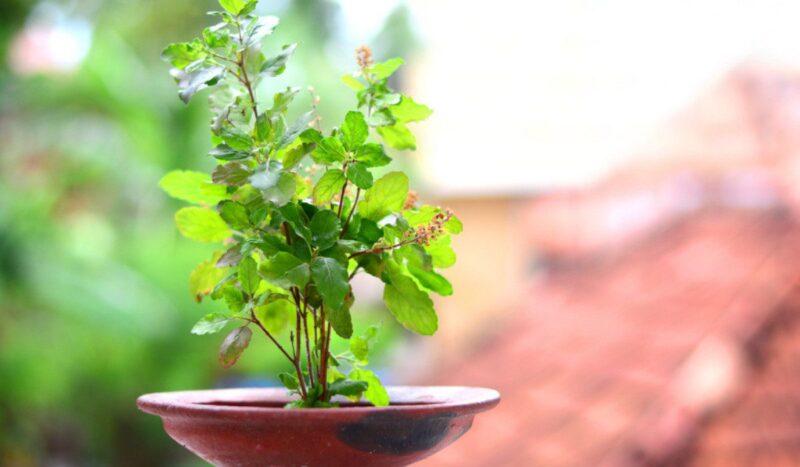
Vastu-Inspired Living Room Décor
Vastu Shastra offers guidelines to align the living room with natural energies. Seating is ideally placed facing east or north to encourage positivity. Heavy furniture should remain in the southwest, while lighter elements occupy the northeast.
Mirrors, when used correctly, can amplify light and energy. Avoid placing them directly opposite idols. These subtle adjustments ensure that Indian home decor ideas are not just beautiful but energetically supportive.
Blending Modern Living with Spiritual Indian Décor
Modern homes often demand simplicity, but that does not mean spirituality must be sacrificed. The beauty of spiritual home décor from India lies in its adaptability. A single statue, a piece of traditional art, or a softly glowing lamp can coexist seamlessly with contemporary furniture.
The focus should be on intention rather than quantity. By choosing meaningful elements and allowing space around them, we create a living room that feels modern yet soulful. This balance ensures that spirituality feels relevant, not outdated.
Seasonal and Festive Spiritual Décor Updates
Indian spirituality is closely tied to seasons and festivals. During Diwali, the living room can glow with diyas and marigold accents. Navratri may inspire vibrant colors and devotional art. Even outside festivals, small changes like fresh flowers or seasonal fabrics keep the space dynamic.
These updates keep the living room aligned with the rhythm of life. They remind us that spirituality is not static—it evolves, just like we do.
Conclusion: Creating a Living Room That Nurtures the Soul
Decorating a living room with spiritual home décor from India is a journey of intention and awareness. It is about creating a space that supports peace, connection, and authenticity. By blending sacred symbols, natural materials, thoughtful lighting, and cultural art, we shape a living room that feels both beautiful and meaningful. This approach transforms everyday living into a more mindful and enriching experience.
FAQs
1. Can spiritual Indian décor work in small living rooms?
Yes, minimal and intentional elements work beautifully in compact spaces.
2. Is Vastu mandatory for spiritual décor?
It is helpful but not mandatory; balance and intention matter most.
3. Can modern furniture blend with spiritual décor?
Absolutely, when paired with meaningful accents.
4. How many idols are ideal for a living room?
One or two well-placed idols are sufficient.
5. Are handcrafted items better for spiritual décor?
Yes, they carry authenticity and cultural depth.